



Introduction to Piles and Their Causes
Piles, also known as hemorrhoids, are swollen veins in the lower rectum and anus that can cause discomfort, pain, itching, and bleeding during bowel movements. This condition is very common and can affect people of all age groups. While piles may develop gradually, understanding the common causes can help prevent the condition from becoming severe. Many patients experience piles due to lifestyle habits, digestive problems, or increased pressure on the rectal veins. At AbhaCare, medical experts emphasize early awareness, prevention, and timely treatment to help patients manage piles effectively and maintain better digestive health.
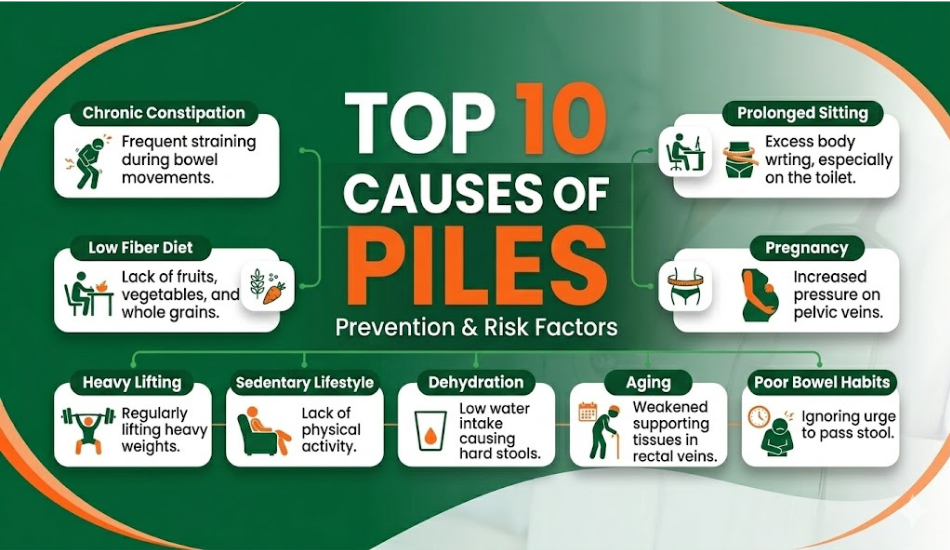
1. Chronic Constipation
One of the most common causes of piles is chronic constipation. When a person frequently experiences hard stools, they often need to strain during bowel movements. This repeated straining increases pressure on the veins in the rectal area, leading to swelling and inflammation. Over time, this pressure can cause hemorrhoids to develop. Increasing fiber intake, drinking sufficient water, and maintaining a balanced diet can help prevent constipation and reduce the risk of piles. Doctors at AbhaCare often recommend dietary adjustments as a primary step in preventing digestive issues.
2. Prolonged Sitting
Sitting for long periods, especially on the toilet, can increase pressure on the veins around the anus. Many people develop the habit of using mobile phones or reading while sitting on the toilet, which can prolong the time spent there. This habit puts unnecessary strain on rectal veins and increases the likelihood of piles. Limiting time spent on the toilet and maintaining good bathroom habits can help reduce the risk of developing hemorrhoids.
3. Low Fiber Diet
A diet low in fiber is another major cause of piles. Fiber helps soften stools and supports smooth bowel movements. When the diet lacks fruits, vegetables, whole grains, and legumes, stools become harder and more difficult to pass. This increases straining and pressure on the rectal veins. Adding high-fiber foods to daily meals can significantly improve digestion and help prevent piles. Healthcare professionals at AbhaCare often guide patients on dietary changes that promote healthy digestion.
4. Pregnancy
Piles are common during pregnancy due to hormonal changes and increased pressure from the growing uterus on the pelvic veins. This pressure can slow blood circulation in the lower body and cause swelling in rectal veins. Constipation during pregnancy can further increase the risk. Many pregnant women experience hemorrhoids during the later stages of pregnancy. With proper medical guidance and preventive care, these symptoms can often be managed safely.
5. Obesity and Excess Body Weight
Excess body weight places additional pressure on the abdominal and pelvic veins, increasing the risk of developing piles. Obesity can also slow down digestion and increase the chances of constipation. Maintaining a healthy weight through balanced nutrition and regular physical activity can significantly reduce the risk of hemorrhoids. Doctors at AbhaCare often highlight the importance of weight management for overall digestive health.
6. Heavy Lifting
Regularly lifting heavy objects without proper support can increase abdominal pressure, which affects the veins in the rectal region. People who perform heavy manual labor or weightlifting without proper technique may develop piles over time. Using correct lifting techniques and avoiding unnecessary strain on the body can help reduce this risk.
7. Sedentary Lifestyle
A sedentary lifestyle with very little physical activity can slow down the digestive system. When the body remains inactive for long periods, bowel movements may become irregular, leading to constipation. This increases the risk of piles. Engaging in regular physical activities such as walking, stretching, or light exercise can improve digestion and reduce pressure on rectal veins.
8. Chronic Diarrhea
Although constipation is a common cause of piles, chronic diarrhea can also contribute to the condition. Frequent bowel movements and irritation of the anal area can cause inflammation and swelling of the veins. Proper treatment of digestive disorders and maintaining a balanced diet can help manage such issues effectively.
9. Aging and Weak Veins
As people age, the tissues supporting the veins in the rectum and anus may become weaker. This natural weakening can make older adults more susceptible to developing piles. Maintaining healthy lifestyle habits, regular check-ups, and proper digestive care can help manage the risk associated with aging.
10. Poor Hydration
Not drinking enough water can make stools hard and difficult to pass. Dehydration often leads to constipation, which increases pressure during bowel movements and contributes to the development of piles. Drinking adequate water throughout the day helps keep the digestive system functioning properly and reduces strain on rectal veins.
Effective Ways to Prevent Piles
Preventing piles largely depends on maintaining a healthy lifestyle and proper digestive habits. Consuming a fiber-rich diet, staying hydrated, and exercising regularly can greatly improve bowel health. Avoiding prolonged sitting, especially on the toilet, and maintaining a healthy body weight are also important preventive steps. Regular medical consultation is recommended if symptoms such as bleeding, itching, or discomfort occur. Healthcare specialists at AbhaCare provide expert guidance and treatment options to help patients prevent and manage piles effectively.
Conclusion
Piles can develop due to several lifestyle and health-related factors, but many of these causes are preventable. By understanding the top causes of piles and adopting healthy daily habits, individuals can significantly reduce their risk. Early awareness, balanced nutrition, regular physical activity, and proper hydration play a vital role in preventing this condition. If symptoms persist or worsen, seeking medical advice is essential. With professional care and modern treatment options available at AbhaCare, patients can receive reliable support for piles prevention and treatment.