



Understanding Recovery After Anal Fistula Surgery
Anal fistula surgery is a common and effective treatment used to remove the abnormal tunnel that forms between the anal canal and the skin around the anus. While the surgery itself is designed to eliminate infection and prevent recurrence, proper recovery care plays a crucial role in healing. Many patients feel concerned about the recovery process, but with the right medical guidance and lifestyle adjustments, most people recover smoothly. Doctors at AbhaCare emphasize patient education and post-surgery care to ensure faster healing and long-term relief from anal fistula symptoms.
What Happens Immediately After Surgery
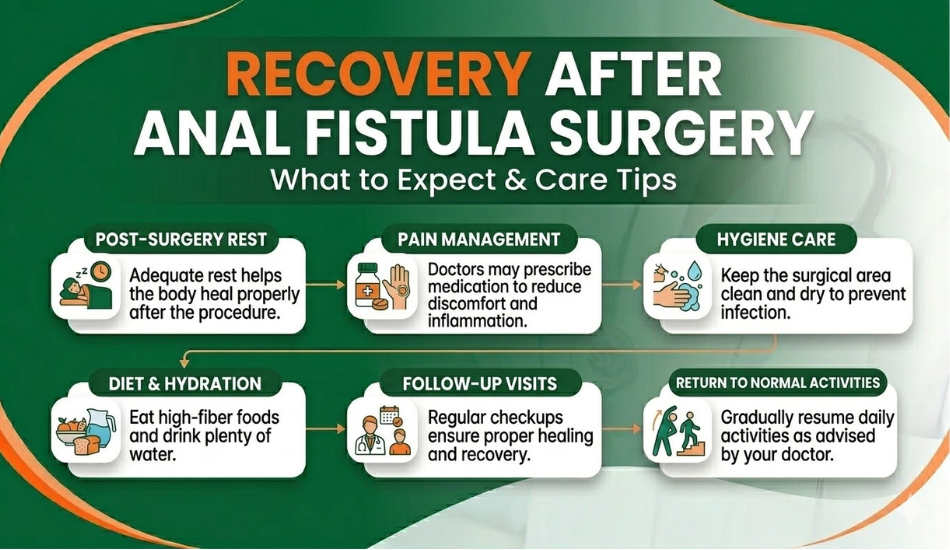
After anal fistula surgery, patients are usually monitored for a short period before being discharged from the hospital. Depending on the procedure performed, some patients may return home the same day. It is normal to experience mild pain, swelling, or discomfort around the surgical area for a few days. Doctors may prescribe pain relief medications and antibiotics to prevent infection and manage discomfort. Medical professionals at AbhaCare carefully guide patients through the immediate post-operative phase to ensure safety and comfort.
Typical Recovery Timeline
The recovery time after anal fistula surgery can vary depending on the complexity of the fistula and the type of surgical procedure used. For many patients, basic healing may take around two to four weeks, while complete recovery can take several weeks longer. During the first few days, patients may need extra rest and should avoid strenuous physical activity. As healing progresses, most individuals gradually return to their normal daily routines. Following the doctor's instructions carefully helps speed up the recovery process.
Managing Pain and Discomfort
Some level of pain or discomfort is common after anal fistula surgery, especially during bowel movements or when sitting for long periods. Doctors typically prescribe medications to help manage pain effectively. Warm sitz baths are often recommended because they help soothe the surgical area, improve blood circulation, and reduce irritation. Maintaining good hygiene around the surgical site is also essential to prevent infection and support healing. Healthcare experts at AbhaCare guide patients on proper pain management techniques for a comfortable recovery.
Diet and Nutrition During Recovery
A healthy diet plays an important role in the recovery process after anal fistula surgery. Patients are usually advised to eat fiber-rich foods such as fruits, vegetables, whole grains, and legumes. These foods help soften stools and make bowel movements easier, reducing strain on the surgical area. Drinking plenty of water throughout the day also helps prevent constipation, which is important for smooth healing. Avoiding spicy foods, processed meals, and excessive caffeine may help reduce digestive irritation during recovery.
Maintaining Proper Hygiene
Keeping the surgical area clean is essential for preventing infection and supporting proper healing. Patients are often advised to gently clean the area with warm water after bowel movements. Using soft tissue or a clean cloth instead of harsh wiping can reduce irritation. Doctors may also recommend antiseptic solutions or medicated ointments if needed. Following proper hygiene practices can significantly reduce the risk of complications during the recovery period.
Physical Activity and Rest
While rest is important during the first few days after surgery, light physical activity such as short walks can help improve blood circulation and support healing. Patients should avoid heavy lifting, intense exercise, or prolonged sitting during the early recovery phase. Gradually returning to normal activities as recommended by the doctor helps maintain overall health without placing stress on the surgical area. Specialists at AbhaCare provide personalized guidance on safe activity levels during recovery.
Warning Signs to Watch For
Although most patients recover without complications, it is important to watch for certain warning signs after anal fistula surgery. Severe pain, excessive bleeding, fever, or persistent swelling around the surgical area may indicate infection or delayed healing. Continuous discharge or worsening discomfort should also be evaluated by a doctor. If any of these symptoms occur, seeking medical attention promptly can help prevent further complications.
Follow-Up Care and Medical Guidance
Follow-up appointments are an important part of the recovery process after anal fistula surgery. During these visits, doctors examine the healing progress and ensure that the surgical site is recovering properly. Patients may also receive additional guidance regarding diet, hygiene, and lifestyle habits to prevent recurrence. At AbhaCare, patients benefit from continuous medical support and follow-up care designed to ensure complete recovery and long-term health.
Conclusion
Recovery after anal fistula surgery requires patience, proper care, and adherence to medical advice. While mild discomfort may occur initially, most patients recover successfully when they follow recommended care practices. Maintaining a healthy diet, practicing good hygiene, staying hydrated, and attending follow-up appointments are key factors for smooth healing. With expert guidance and advanced treatment support provided by AbhaCare, patients can recover safely and return to their normal lives with improved comfort and confidence.