



Understanding What Is Anal Fistula
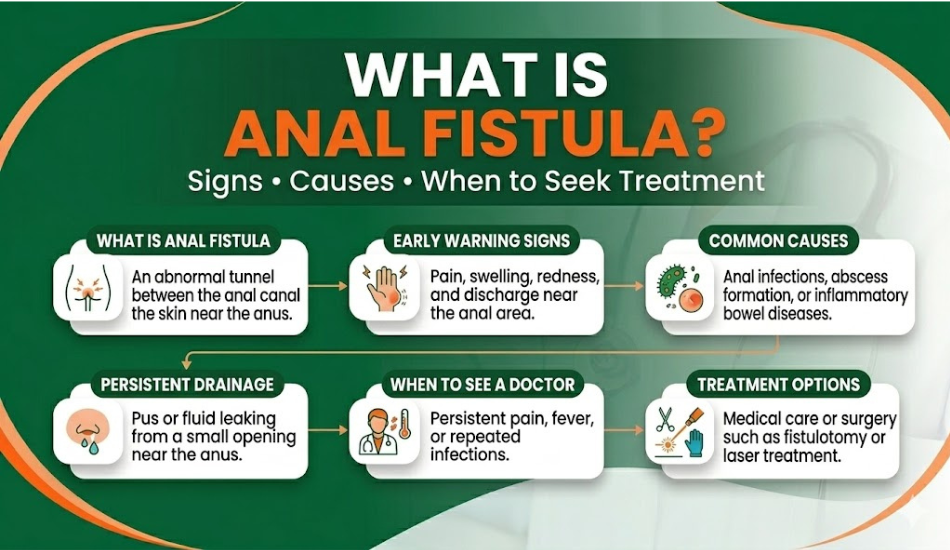
An anal fistula is a small tunnel that forms between the inside of the anal canal and the skin near the anus. This condition usually develops as a result of an infection in the anal glands, which leads to the formation of an abscess. When the abscess does not heal completely, it may create a passageway that connects the infected gland to the skin surface. Anal fistula can cause pain, swelling, irritation, and discharge from the affected area. Although the condition may sound alarming, modern medical treatments can effectively manage it when diagnosed early. At AbhaCare, experienced specialists focus on providing accurate diagnosis and advanced treatment options for patients dealing with anal fistula and other colorectal conditions.
Early Signs and Symptoms of Anal Fistula
Recognizing the early symptoms of anal fistula is important for timely treatment. One of the most common signs is persistent pain or discomfort around the anal region, especially while sitting or during bowel movements. Patients may also notice swelling, redness, or irritation near the anus. Another common symptom is the discharge of pus or fluid from a small opening near the anal area, which may have an unpleasant smell. In some cases, patients may experience recurring anal abscesses, fever, or fatigue due to infection. If these symptoms continue for several days or repeatedly return, medical consultation is strongly recommended.
How Anal Fistula Develops
An anal fistula usually begins with an infection in one of the small glands inside the anus. When bacteria infect these glands, an abscess may form and fill with pus. If the abscess drains improperly or fails to heal completely, it may leave behind a small tunnel connecting the infected gland to the skin near the anus. This tunnel becomes the fistula. Without proper treatment, the infection may continue to cause pain, discharge, and repeated swelling. Early diagnosis helps prevent complications and supports faster recovery.
Common Causes of Anal Fistula
The most common cause of anal fistula is an untreated or poorly healed anal abscess. However, several other medical conditions can also increase the risk of developing fistulas. Chronic inflammatory diseases such as Crohn’s disease may contribute to fistula formation. Infections like tuberculosis, sexually transmitted infections, or trauma to the anal area may also play a role. In rare cases, previous surgeries or injuries around the rectal region may lead to fistula development. Doctors at AbhaCare carefully evaluate each patient’s medical history to determine the underlying cause and recommend appropriate treatment.
Types of Anal Fistula
Anal fistulas can vary depending on the path of the tunnel and its location relative to the anal muscles. The most common type is an intersphincteric fistula, which runs between the internal and external anal muscles. Other types include transsphincteric fistula, suprasphincteric fistula, and extrasphincteric fistula. Each type may require a different treatment approach, and proper diagnosis is essential to determine the severity and complexity of the condition. Specialized medical evaluation ensures that the correct treatment method is chosen for long-term healing.
When Should You Seek Medical Treatment?
Many people hesitate to seek medical help for anal fistula due to embarrassment or fear. However, ignoring symptoms can allow the infection to worsen and cause further complications. Patients should consult a doctor if they experience persistent pain, swelling, discharge, or repeated abscess formation around the anus. Delayed treatment can lead to chronic infection, which may require more complex procedures later. Early consultation allows doctors to provide timely care and prevent the condition from progressing.
Diagnosis of Anal Fistula
Diagnosing anal fistula typically begins with a physical examination of the affected area. Doctors may inspect the skin near the anus to identify any openings or signs of infection. In some cases, additional diagnostic tests such as ultrasound, MRI scans, or fistulography may be recommended to determine the exact path of the fistula tunnel. These tests help doctors understand the complexity of the condition and plan the most effective treatment strategy. Medical specialists at AbhaCare use modern diagnostic tools to ensure accurate evaluation and patient safety.
Treatment Options for Anal Fistula
Unlike some minor infections, anal fistula usually does not heal completely without medical treatment. The most effective treatment is often a surgical procedure designed to remove the fistula tract and allow proper healing. Traditional fistulotomy is a common surgical approach where the fistula tract is opened and cleaned to promote healing. In recent years, minimally invasive procedures such as laser surgery have become increasingly popular due to reduced pain and faster recovery. The choice of treatment depends on the location and complexity of the fistula. At AbhaCare, doctors evaluate each case carefully and recommend advanced treatment options tailored to the patient’s condition.
Recovery and Post-Treatment Care
Recovery after anal fistula treatment varies depending on the procedure performed. Most patients experience gradual improvement within a few weeks when they follow proper medical advice. Maintaining good hygiene, eating fiber-rich foods, and staying hydrated are important for smooth recovery. Doctors may also recommend medications or follow-up visits to monitor healing. Post-treatment care plays an essential role in preventing infection and supporting long-term recovery.
Conclusion
Anal fistula is a medical condition that can cause discomfort and recurring infections if left untreated. Understanding the early signs, causes, and treatment options helps patients take timely action and avoid complications. Early medical consultation ensures accurate diagnosis and effective treatment. With modern medical techniques and expert care available at AbhaCare, patients can receive reliable support and advanced treatment for anal fistula, helping them return to a healthier and more comfortable life.